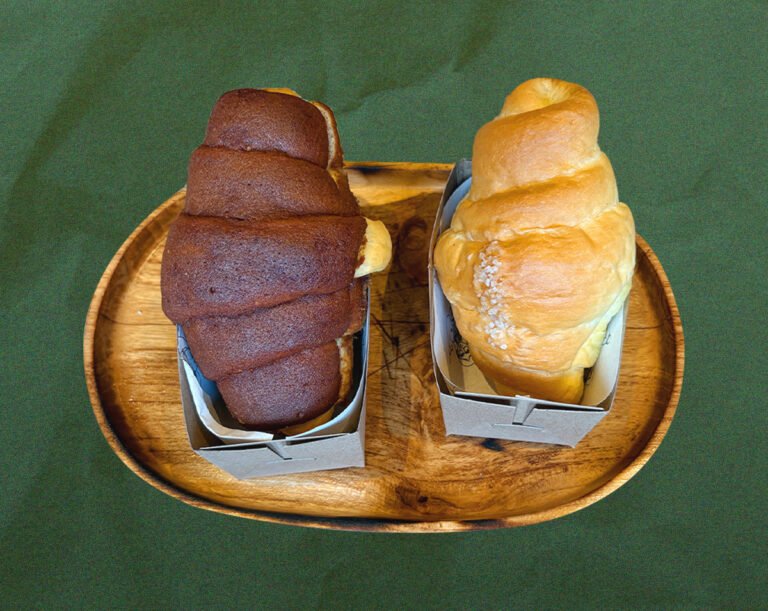
I love salt bread, and I’m currently on the venture of trying out as many salt bread as possible. This experience has given me several thoughts… one of the them being the differences between chain bakery and artisan bakery. What distinguishes them? Is salt bread from chain bakery more superior than the artisan one, or is it the other way around? Here are several points of my contemplation:
1. Branding
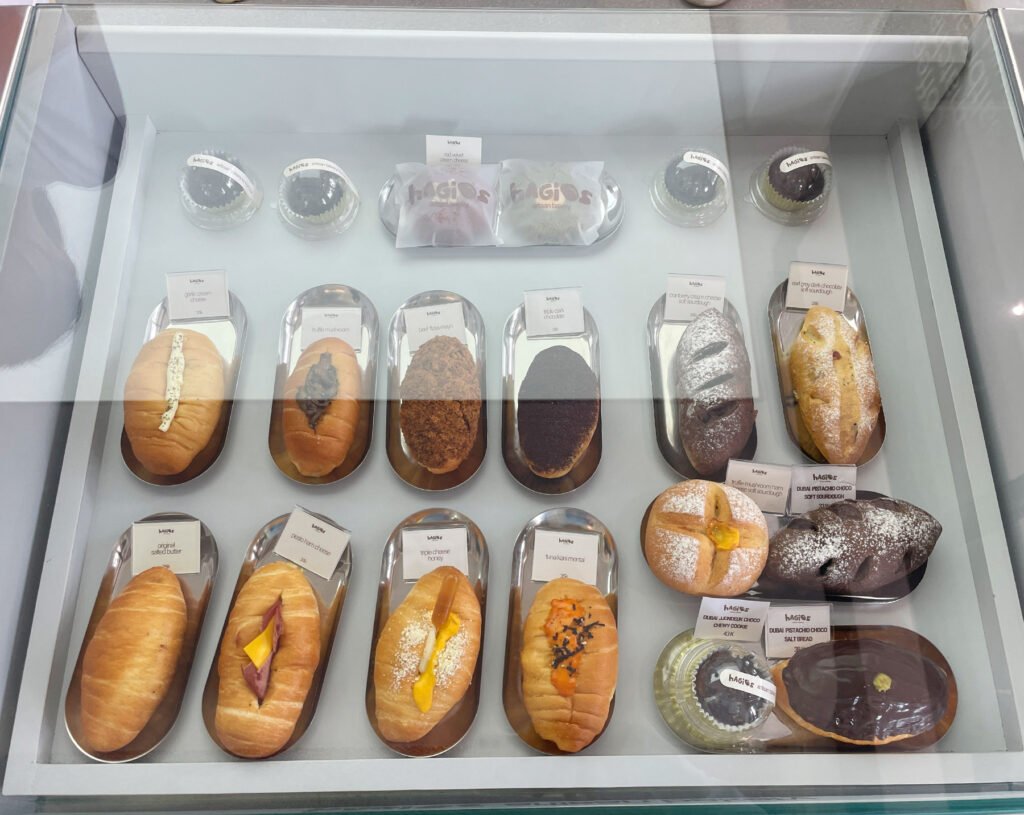
In my opinion, anything artisan relies heavily on the branding. Be it the branding that revolves around the owner’s hopes and dreams, unique craftmanship, or ethically sourced ingredients…I mean, it is the thing that tells them apart from those soulless corporation, right?
Considering the origins of salt bread (Japan and South Korea), most of the individually owned bakeries that I visited have a cute, soft branding: the fluffy bear mascot at Bear and Butter, Breadmood‘s little girl or another fluffy bear at Kooma. There is also another case like Little Salt Bread with their grungy speakeasy vibe. The logo, the shop’s ambience and the crowd might excite you more. The distinct branding boosts something in you – happiness, or maybe a little bit of confidence because you can post a pretty picture of an artisan salt bread on your Instagram.
2. Experience
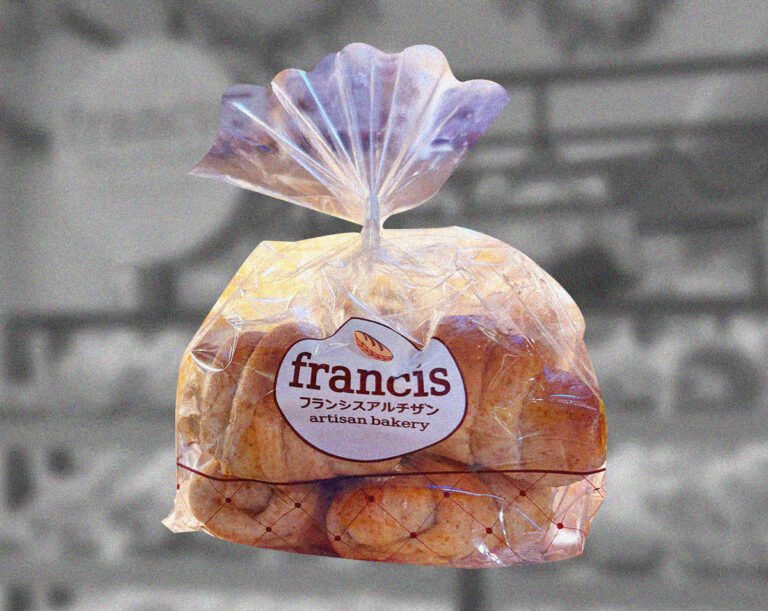
In terms of salt bread, chain bakery chases simplicity. Big commercial bakeries like Rotiboy, Holland Bakery and MAKO make no-fuss salt bread with the following characteristics: soft, plain, no intriguing flavors or toppings, ready for grab-and-go. The nature of soft salt bread makes it easy to eat anywhere and anytime.
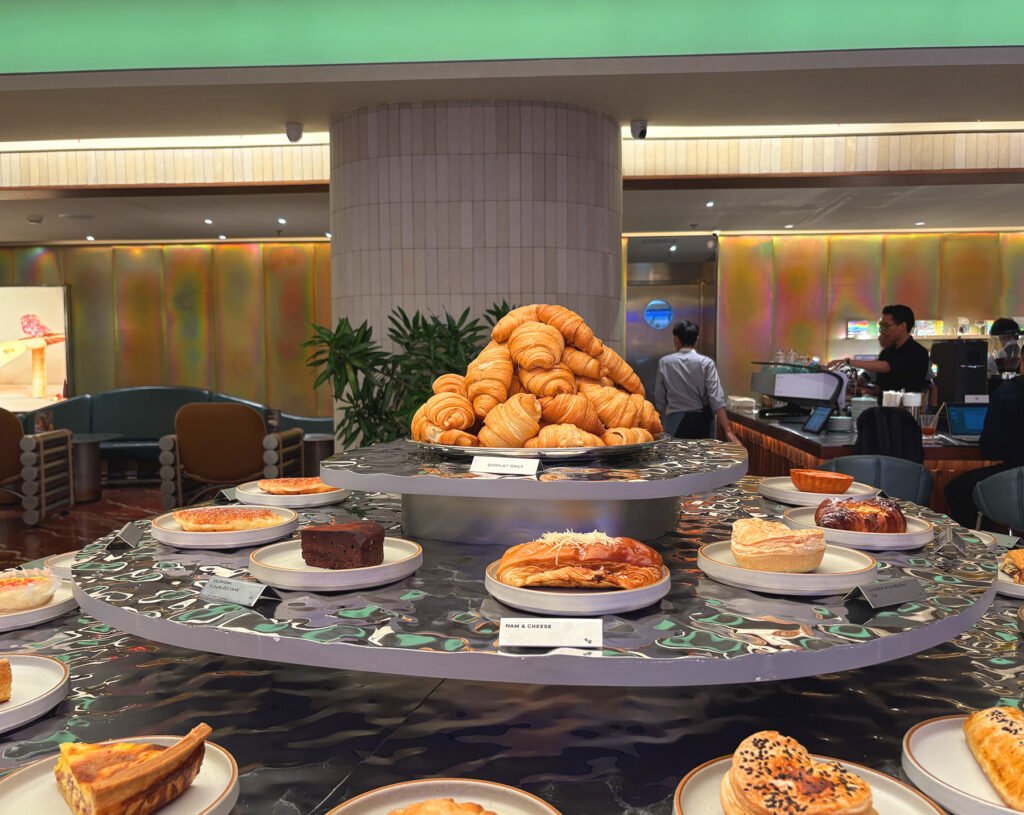
There is nothing wrong with plain and simple salt bread, but artisan bakery surely offers more unique experience. The viral Dubai pistachio kunafa flavor? The salt bread meets croissant twist? Coffee butter flavor? Artisan bakery has it all.
3. Availability
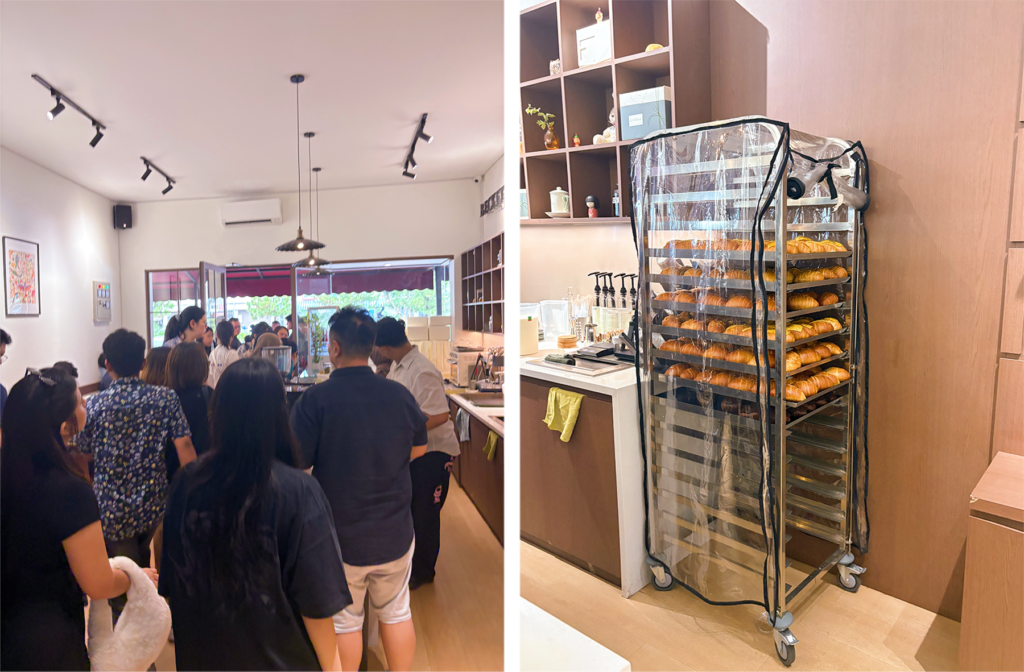
One thing that annoys me about artisan bakery is the very limited stock. Not to mention the rising popularity of the bakery itself. Coming to the shop only to find the empty display shelf has occured to me several times. I’m in no place to complain though, since scarcity is a part of artisan’s essence. Every day, artisan bakeries make small batches of bread that always sell out around lunch time. If you are not early enough to nab your targeted salt bread at a popular artisan bakery, get ready to be disappointed.
The salt bread’s exclusive availability, added with the popular demand, might become some kind of a status. I mean, carrying a takeaway paperbag from Daribu after a very long queue for their sought-after salt bread definitely feels different compared to clutching Rotiboy’s paperbag. (No hate at all towards Rotiboy, I do love their Saltboy! And their other breads!)
4. Accessibility
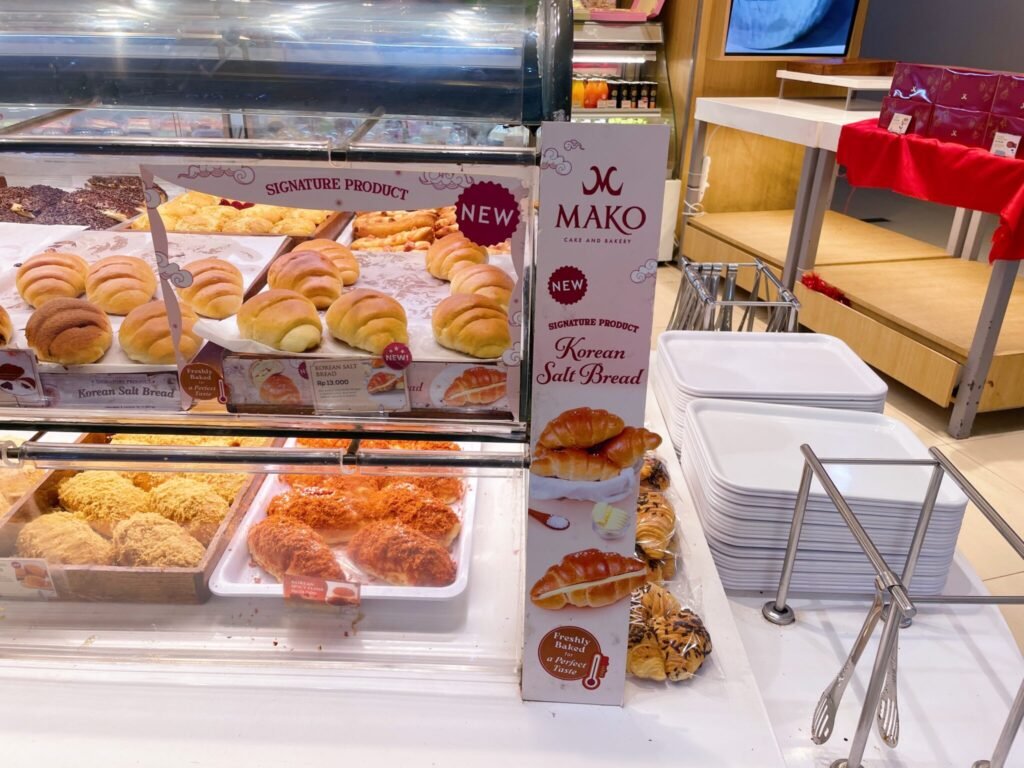
Accessibility for all is chain bakery’s strong point. You don’t have to be TikTok-savvy in order to discover the existence of trendy salt bread – let the commercial bakery introduces it to you. MAKO, for example, is present in almost every mall all over the big cities in Indonesia. Holland Bakery’s famous windmill rukos are easily found in prime neighborhoods. Enjoying a warm salt bread has been made easy, thanks to the chain bakeries.
If you are asking which one is better, there is no right answer. Both chain and artisan bakery have their own strength and weakness. Chain bakery is your easy salt bread fix, while artisan bakery gives the limitless salt bread horizon. I guess that’s the beauty of it – the presence of two different things to cater everyone’s needs and preferences.