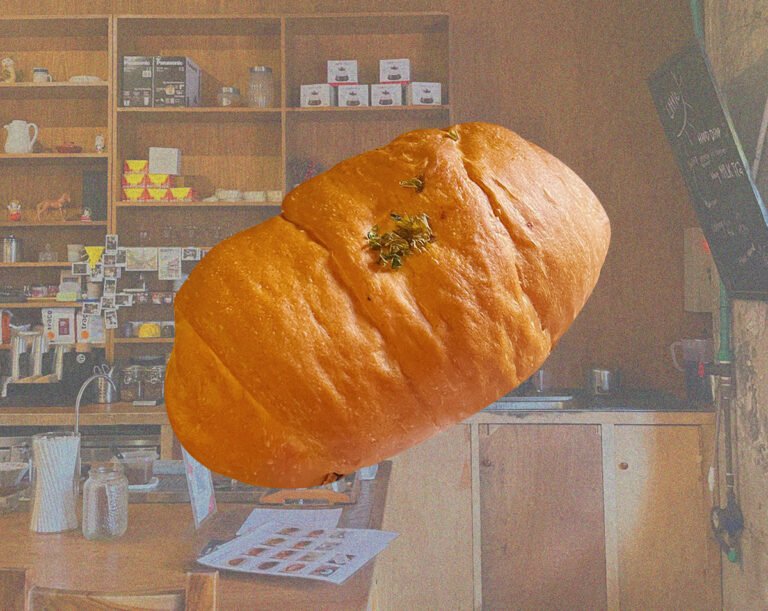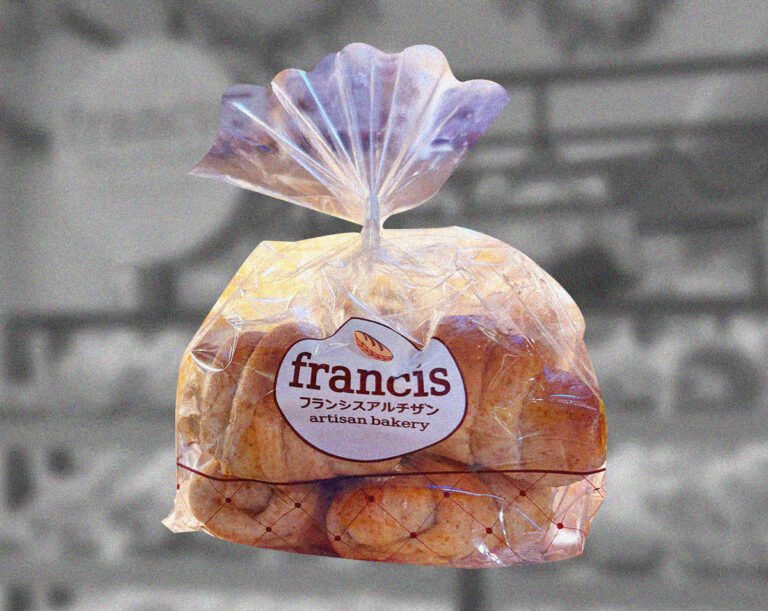
Salt bread has Japanese origins, under the name shio pan. It was first conceived in early 2000s by a bakery called Pain Maison Yawatahama. Later on, the salt bread craze reaches a surge in South Korea under the name sogeum-ppang. As a country that is very quick to notice anything revolving K-culture, Indonesia adopts the trend right away. For the past year, it is pretty much guaranteed that salt bread can always be found at every bakery in big cities in Indonesia.
I have tried and reviewed salt bread from more than ten different bakeries (and still counting). There is one thing that stands out from the experience of trying every single one of them: texture. Not the flavor, but the texture. After all, we know that salt bread is going to be salty, duh. Bonus point if there is some extra butteriness.
From a layman’s perspective, salt bread texture is classified into two types: soft and hard. (For an in-depth classification written by a real baking expert, kindly refer to this blog post.) By far, the only bakery that I have visited that sells both types is Bread Culture. Here are my thoughts on each type:
1. Eating experience
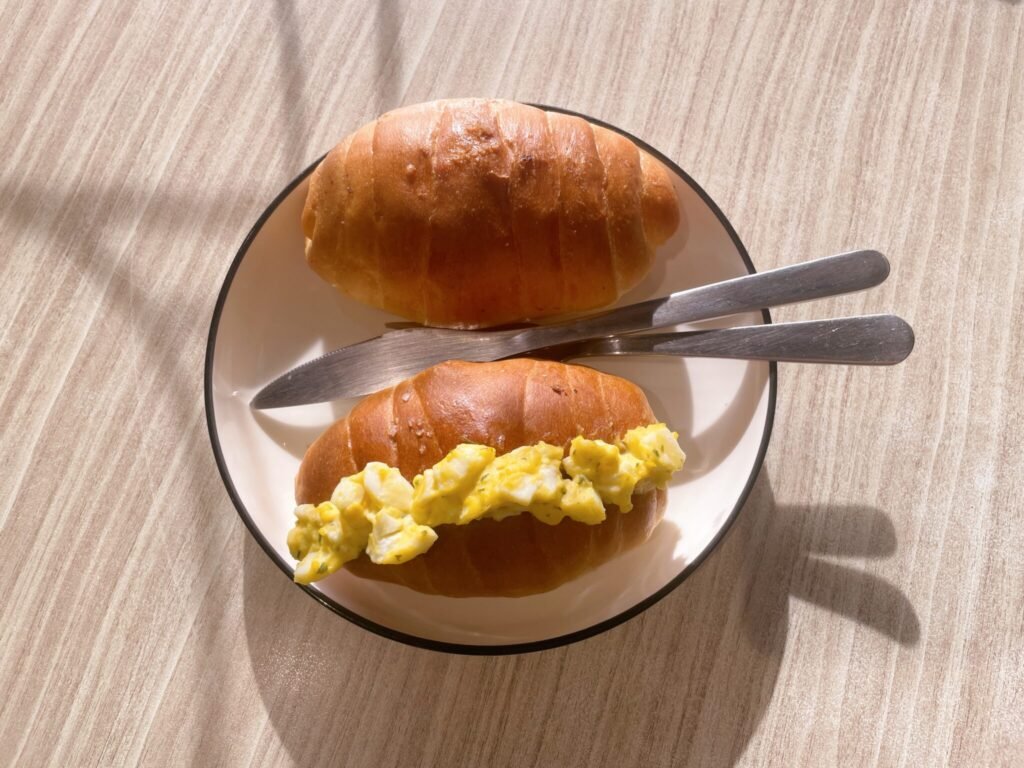
Hard salt bread gives a wonderful sensation in one condition: it has to be served fresh and warm. Crunchy hard shell is such an attractive salt bread feature… the feeling of biting into the greasy, salty crust makes me crave for more! Maybe that’s why bakeries with cafe concept tend to serve the hard type, since it’s best enjoyed on the spot with eating utensils.
Unfortunately, this can also be a double-edged sword. This type of salt bread is most likely really hard to bite with teeth, or a huge pain to cut with knife and fork. Even worse if the bread is already past its prime. When not reheated, it is just an oily, rock hard mess. On the other hand, soft salt bread has a cute chewy texture, althought it might be not as scrumptious. But it’s definitely a safer choice.
2. As a snack
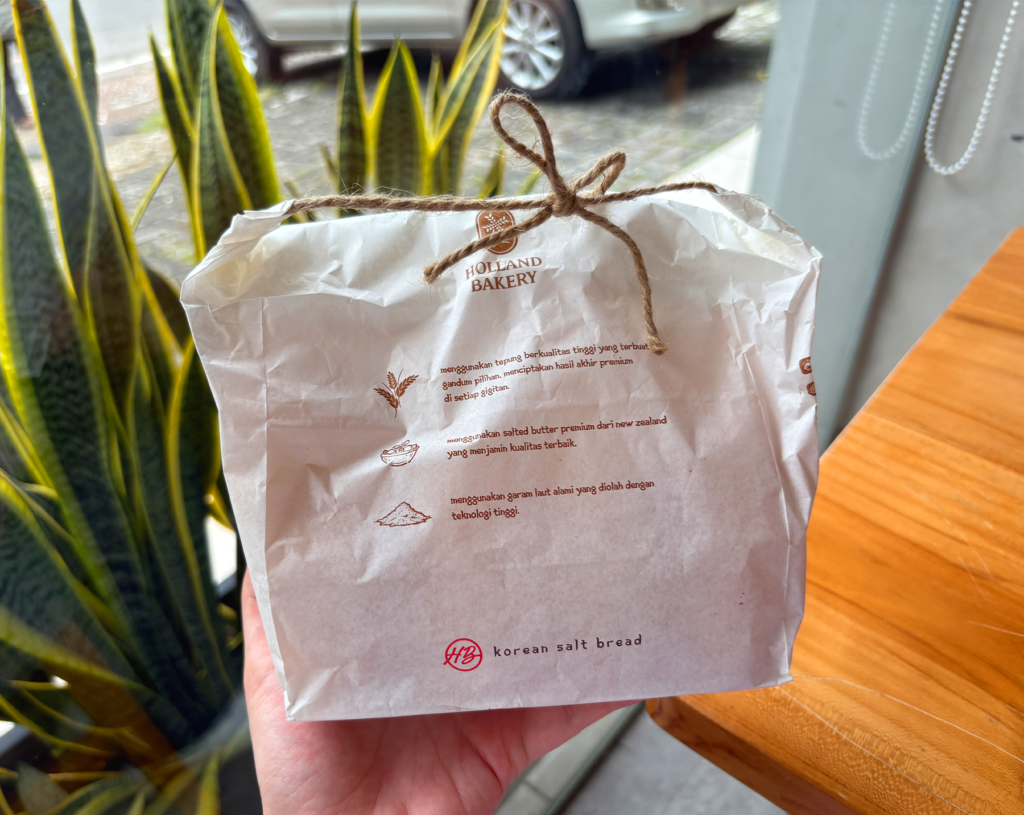
Let’s say you are going to work and need a quick grab for breakfast on the go. Which salt bread type that suits you better in this situation? Surely you will favor something with zero mess that will not ruin your makeup, and can be enjoyed easily with one hand. Soft salt bread is not a big hassle to be eaten right out of the paperbag. Contrary to the crusty hard salt bread, there will be no annoying flakes scattering anywhere in your face.
3. Price
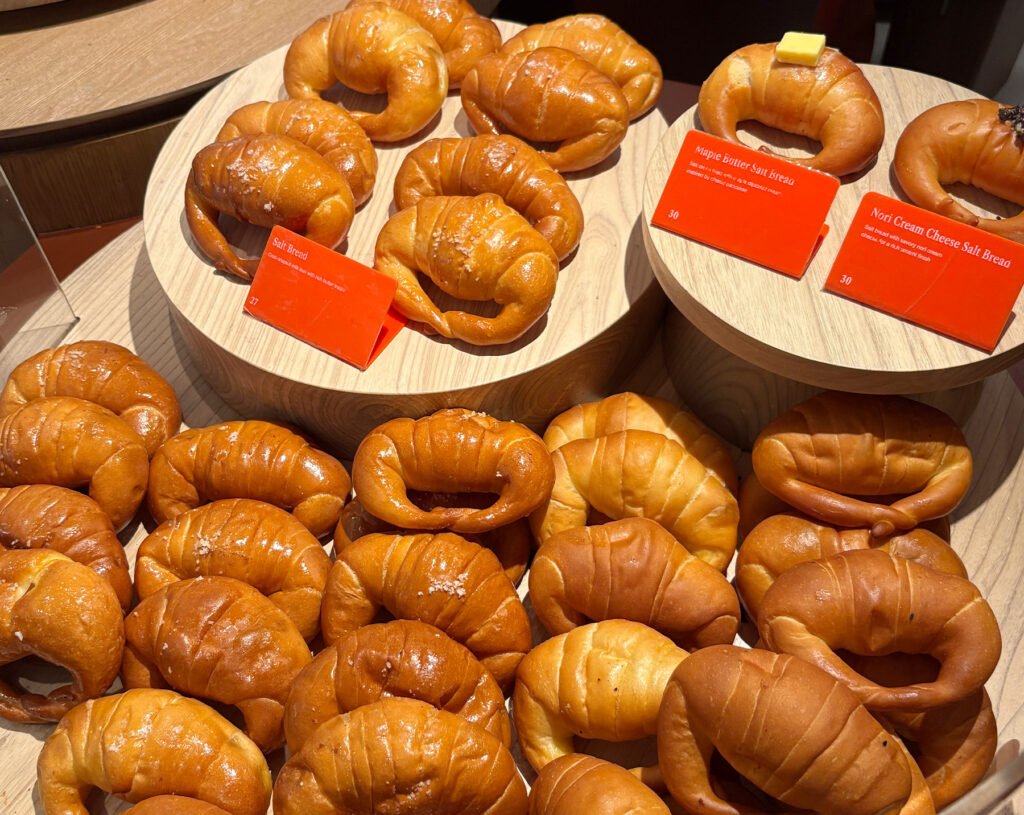
From the first point, I kind of conclude that hard salt bread has higher price point since it’s intended to be a dining experience. Soft salt bread tend to be way more modest, given the fact that it’s mostly sold by major chain bakeries that aim for accessibility and simplicity. Hard salt bread sold in cafes cost above IDR 25,000 (if the topping is Dubai pistachio kunafa, expect the price to be a whopping IDR 38,000). Meanwhile, you can buy soft salt bread sold by fuss-free chain bakery for only IDR 13,000.
So, which one is better? Soft salt bread or hard salt bread? To each their own, of course! I can’t even give one definite answer. There are days when I crave for hot smooth chewy Saltboy from Rotiboy, but there are days when I can’t stop thinking about The Alchemist‘s sourdough hardshell. Above all, salt bread is a delicious godsend!